
Using ForceDecks for Team Sport Athletes: Pre-Season Baselines & Safe Return-to-Play
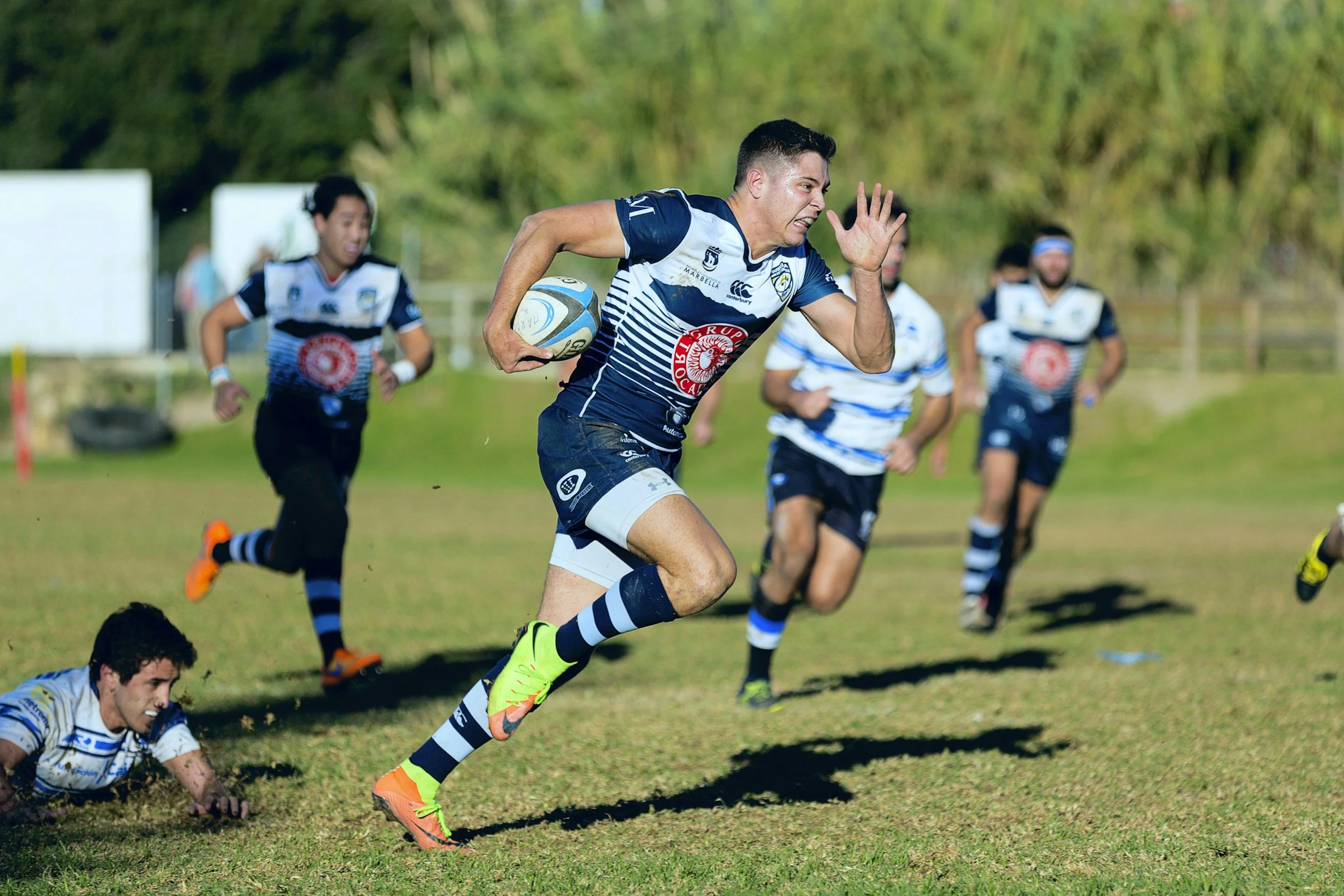
For team sport athletes, the difference between a strong season and a disrupted one often comes down to preparation and monitoring. The physical demands of sports like football, rugby, basketball, and hockey require high levels of strength, power, and resilience.
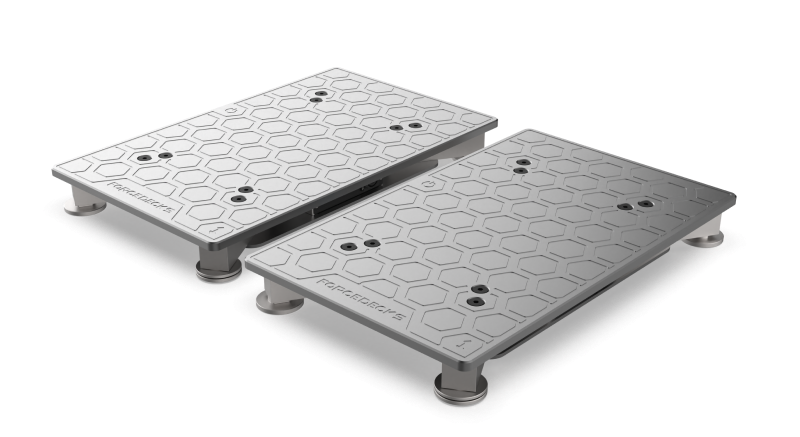
At Technique Health & Fitness, we use VALD ForceDecks to assess these qualities objectively, helping athletes build a robust foundation during pre-season and return safely from injury.
Pre-Season: Establishing Strength & Power Baselines
Early pre-season is the ideal time to identify whether athletes have returned strong enough to tolerate high-speed running, rapid change of direction, and the increasing training loads ahead. With ForceDecks, we capture an “under-the-hood” profile of each athlete’s readiness.
One key component is the Run-Specific Isometric Testing series, using isometric pushes at the ankle, knee, and hip, a validated approach for assessing lower-limb force production in sprinting and field sport athletes. These tests give us metrics such as peak isometric force and impulse, which help determine whether an athlete needs targeted strength programming before progressing to maximal sprint and change-of-direction drills.
If deficits appear, for example, low knee iso-force or reduced hip impulse, we may prescribe a short block of heavy strength work or specific posterior chain emphasis before the athlete ramps up intensity. This ensures they enter full training prepared rather than vulnerable.
Return-to-Play: Objective Criteria, Not Guesswork
For injured athletes, ForceDecks are invaluable for guiding each stage of the return-to-play (RTP) timeline. Instead of relying solely on subjective feelings or visual movement quality, we monitor objective markers such as:
Peak force
Rate of force development (RFD)
Jump height & landing forces
Limb symmetry indexes
Research shows that athletes returning from ACL injury often display lingering asymmetries and reduced force production, even when they appear functionally “normal”. These gaps are strongly linked to re-injury risk.
While VALD considers <15% asymmetry within normal ranges, emerging evidence suggests targeting <10% symmetry difference offers better protection in high-demand sports.
Using these objective markers, our physios and S&C coaches progress athletes only when they’ve met clearly defined benchmarks, ensuring a safer, more confident return to competition.
The Result: Better Performance, Lower Injury Risk
With accurate profiling, targeted programming, and objective progression criteria, athletes enter the season stronger, and return from injury more resilient than before.
Book Your Assessment
Whether you're preparing for pre-season or working your way back from injury, ForceDeck testing gives you the clarity and confidence you need to perform at your best.
Book your physiotherapy session at our Liverpool Street clinic inside 24N Fitness and build a stronger, safer return to sport.
