
How ForceDeck Testing Helps Endurance Athletes Build Power, Efficiency, and Injury-Resilience
Endurance athletes rarely think of “force” as part of their performance. Mileage, tempo sessions, aerobic capacity, these usually take centre stage. But underneath every efficient stride or powerful pedal stroke is an athlete’s ability to produce and absorb force. When strength, power, or symmetry falls behind, technique breaks down, overuse injuries creep in, and performance plateaus.
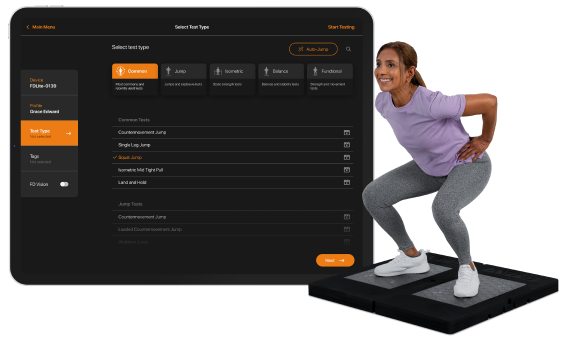
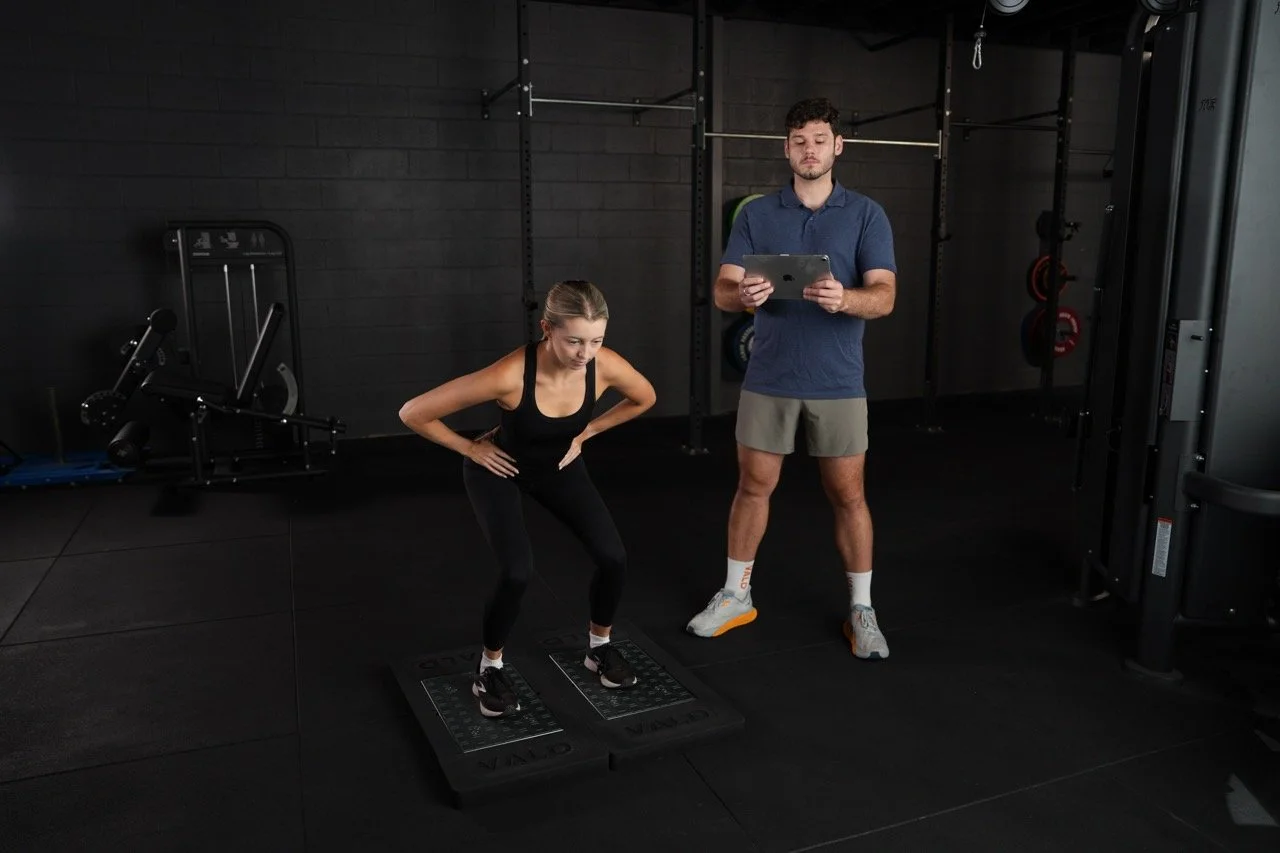
At Technique Health & Fitness, we now integrate VALD ForceDecks into preseason assessments for runners, triathletes, and cyclists. This technology gives us an objective profile of how an athlete moves, highlighting strengths, weaknesses, and asymmetries that aren’t always obvious in training.
Why Force Matters for Endurance Athletes
Even small drops in force production can affect running economy, pedalling efficiency, and fatigue resistance. ForceDecks allow us to quantify:
explosive power
reactive strength
left–right balance
landing mechanics
rate of force development
These variables directly influence movement quality during long races, especially when fatigue sets in.
Key Tests We Run
Countermovement Jump (CMJ)
The CMJ is a simple but powerful test. It provides data on jump height, peak force, braking strategy, and eccentric control. For runners, CMJ performance correlates with running economy and lower-limb stiffness, two pillars of efficient stride mechanics (Paquette et al.).
Single-Leg Hop or RSI Tests
Reactive Strength Index (RSI) reflects how quickly an athlete can absorb and re-produce force. Reduced RSI may indicate limited plyometric capacity or low limb stiffness, which can contribute to tendinopathy or inefficient turnover. (VALD RSI overview).
Peak Force Relative to Body Weight
Peak force is a strong predictor of mechanical efficiency, particularly in cycling. Research shows that vertical jump measures strongly correlate with peak cycling power (VALD Cycling Performance Insights). When peak force is low, we often programme heavier resistance training to improve torque production and fatigue resistance.
How the Data Guides Training
Once we identify imbalances or weaknesses, we build a fully individualised strength programme. Examples include:
heavy resistance training blocks when peak force is low
plyometric progressions to improve RSI and leg stiffness
unilateral strength work to correct left–right deficits
mobility and technique adjustments when force-time curves reveal braking inconsistencies
This objective, data-driven approach improves race performance, movement efficiency, and injury resilience, ensuring athletes enter the season stronger, more balanced, and better equipped to handle training load.
Book Your Assessment
If you're an endurance athlete preparing for a new season, or working through recurring niggles, a ForceDeck assessment can highlight exactly where your strength, power, or symmetry may be holding you back. With objective data and a tailored S&C plan, you’ll move more efficiently, train with confidence, and reduce your risk of overuse injuries.
Book your physiotherapy session at our Liverpool Street clinic inside 24N Fitness and begin building your strength from the ground up.
