
Build Strength, Stability, and Confidence Before Your Ski Trip: How ForceDeck Testing Prepares You for the Slopes
Skiing demands far more than cardio fitness. It requires strong quads and glutes, reactive control through the core and hips, rapid changes in direction, and the ability to absorb unpredictable forces from variable terrain. Add altitude, cold, fatigue, and long days on the mountain, and it’s easy to see why skiing places such unique stress on the body.
At Technique Health & Fitness, we use VALD ForceDecks as part of our pre-season ski conditioning to identify exactly where your strength, power, and balance need support before you head to the slopes. This objective profile allows us to build a targeted programme that improves performance and reduces your risk of injury, particularly around the knees, where roughly one-third of skiing injuries occur, with MCL sprains being the most common.
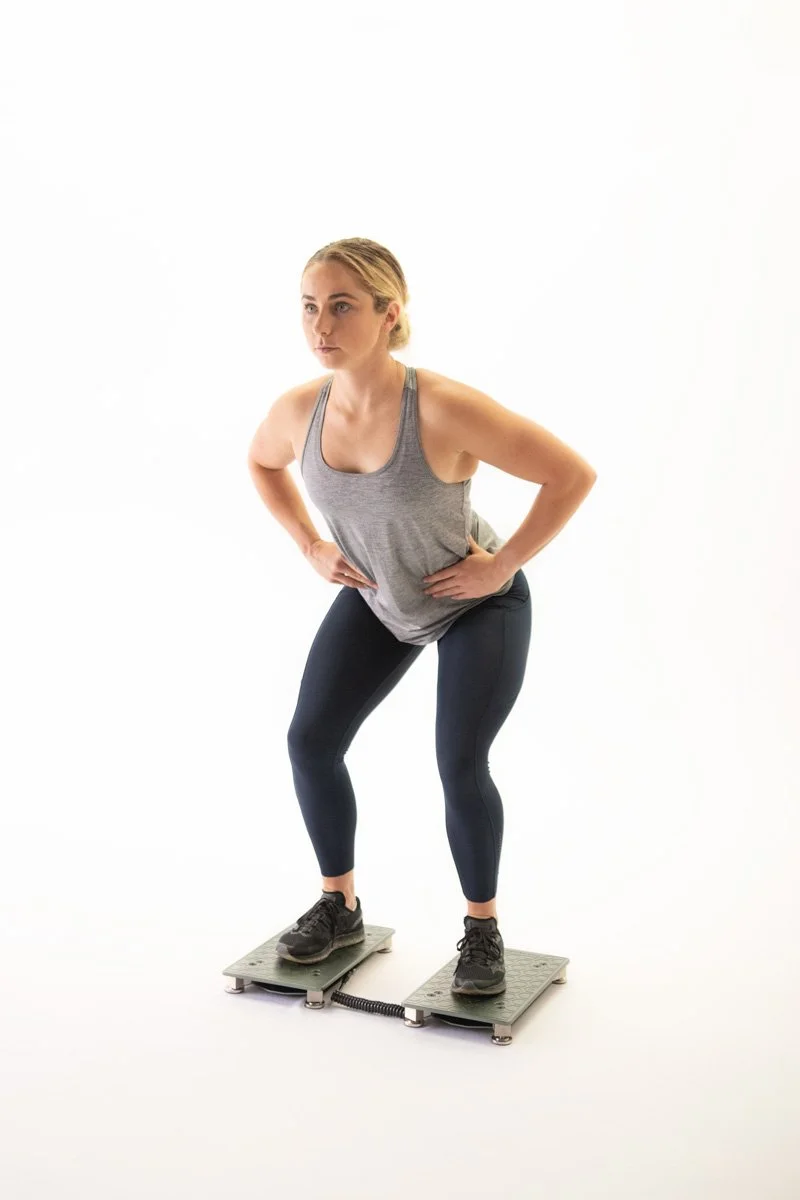
Why Pre-Ski Strength Testing Matters
Many ski injuries happen when an unexpected load, a sudden twist, heavy compression through a mogul field, or a slightly off landing, exceeds what the body can tolerate. Weaknesses in the kinetic chain often go unnoticed until that moment. ForceDecks help reveal these hidden gaps long before they impact your trip.
A ski-specific assessment may include:
1. Squat Jump (SJ) or Countermovement Jump (CMJ)
These tests measure jump height, peak force, and power relative to body weight. Low values suggest opportunities to build strength in the quads, glutes, hamstrings, and calves, the primary engines of skiing.
2. Limb Asymmetry Testing
Even a 10% force difference between legs can influence how you turn, absorb bumps, or manage load through the knees. ForceDecks provide precise data on how each leg produces and absorbs force, helping us address asymmetries that might otherwise predispose you to fatigue or injury.
3. Reactive Strength Tests (Drop Jump or Similar)
These assess how efficiently you can absorb and re-produce force, a key component of controlling bumps, landing from jumps, and maintaining stability at speed. Longer ground contact times or low reactive strength scores point to a need for plyometric and eccentric control training.
What We Do With the Data
Using your individual force profile, our physiotherapists and S&C coaches build a ski-specific conditioning block that may include:
Single-leg strength training
Lateral agility and hopping drills
Core and hip stability work
Plyometrics for quick rebound and shock absorption
Eccentric control exercises for safer landings
This ensures your programme improves not just strength, but the exact qualities skiing demands: balance, agility, reactivity, and fatigue resistance. As experts note, comprehensive ski conditioning requires all four components, strength, balance, agility, and explosive power, and a preseason assessment identifies which you need most.
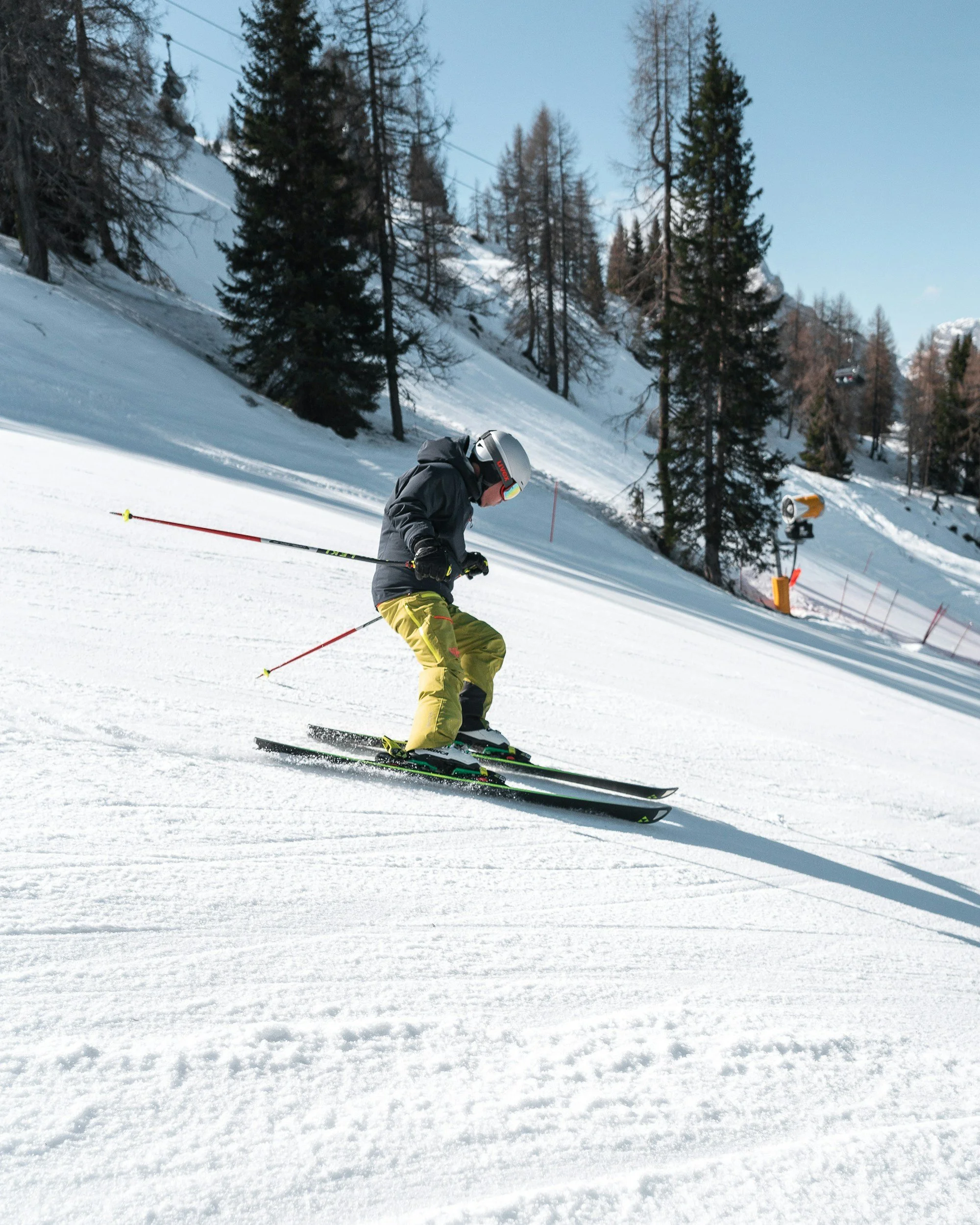
The Result: Stronger Runs, Less Fatigue, More Fun
With improved leg power, symmetry, and reactive control, you’ll ski more confidently, handle variable terrain better, reduce your knee injury risk, and enjoy longer days on the mountain, without the burning quads or sore joints that usually arrive mid-trip.
Book Your Pre-Ski Assessment
Get ahead of your ski season with objective data and a tailored conditioning plan built around your exact needs.
Book your physiotherapy session at our Liverpool Street clinic inside 24N Fitness and start your ski prep the smart way.
